
Survival Food Storage: Tips and Best Practices
FOODPREPPING
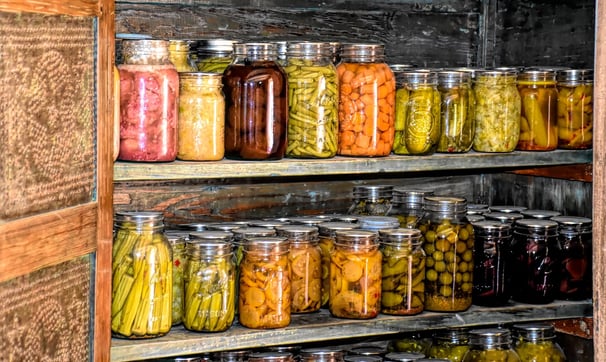
In an unpredictable world, having a well-thought-out survival food storage plan is essential for ensuring the safety and well-being of yourself and your loved ones during times of crisis.
In an unpredictable world, having a well-thought-out survival food storage plan is essential for ensuring the safety and well-being of yourself and your loved ones during times of crisis. Whether you're preparing for natural disasters, economic downturns, or unforeseen emergencies, having an adequate supply of stored food can be a lifesaver. In this blog post, we'll explore some valuable tips and best practices for effective survival food storage.
Assess Your Needs
Before diving into food storage, it's crucial to assess your specific needs and situation. Consider the number of people in your household, dietary restrictions, and the potential duration of the emergency you're preparing for. A thorough assessment will help you determine the quantity and variety of food required for your storage.
Choose Long-lasting and Nutrient-rich Foods
Opt for foods with a long shelf life that are nutrient-dense. Canned goods, freeze-dried foods, dehydrated fruits and vegetables, grains, legumes, and powdered milk are excellent choices for survival food storage. These items can last for an extended period without losing their nutritional value.
Practice the First In, First Out (FIFO) System
To maintain the quality of your stored food, use the FIFO system. When restocking your supplies, place the newly purchased items at the back of the storage area, ensuring that the older items are consumed first. This prevents food from expiring and helps avoid wastage.
Store Food in a Cool and Dry Place
Proper storage conditions are crucial for preserving the longevity of your survival food. Find a cool, dark, and dry area in your home or property to store the food. Exposure to heat, light, and moisture can accelerate the deterioration of stored items and promote the growth of mold and bacteria.
Invest in Quality Storage Containers
Choose sturdy and airtight containers for storing your survival food. Mason jars, food-grade plastic containers, and Mylar bags with oxygen absorbers are effective choices for maintaining food freshness. Ensure the containers are clean and free from any contaminants before filling them.
Keep a Variety of Foods
Diversity is essential when it comes to survival food storage. Aim to have a wide range of food items, including carbohydrates, proteins, fats, and essential vitamins and minerals. A diverse food supply can prevent food fatigue and provide balanced nutrition during challenging times.
Regularly Inspect and Rotate Food Supplies
Perform regular inspections of your food storage to check for signs of spoilage, damage, or expired products. Create a schedule for rotating food supplies, especially those with shorter shelf lives, to keep your storage up to date.
Educate Yourself on Food Preservation Techniques
Learning food preservation techniques can be incredibly valuable for extending the shelf life of fresh produce. Canning, dehydrating, and fermenting are effective methods to preserve surplus fruits and vegetables that might otherwise go to waste.
Consider Dietary Preferences and Allergies
If there are individuals with specific dietary preferences or allergies in your household, be sure to include suitable options in your survival food storage. Ensuring everyone's needs are met during an emergency is crucial for overall well-being.
Conclusion
Survival food storage is not just a precautionary measure; it is a responsible act that ensures the safety and security of your family in times of crisis. By following these tips and best practices, you can build a reliable and well-rounded food storage supply that will provide comfort and sustenance during challenging situations. Remember to regularly update and review your storage plan to adapt to changing circumstances and maintain a sense of readiness for whatever the future may hold.