
How to Choose The Right Survival Knife for Your Needs
EDUCATION
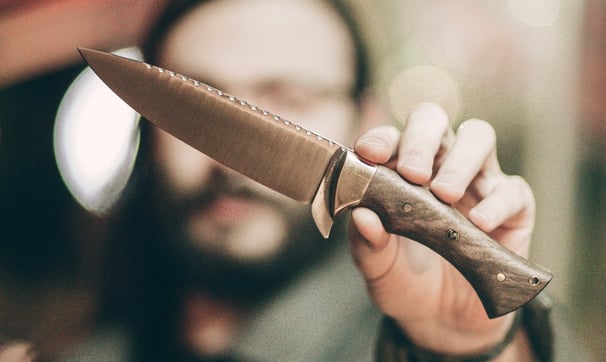
When it comes to survival situations, having the right tools can make all the difference.
A dependable and versatile survival knife is a crucial tool for any outdoor enthusiast, camper, or prepper. However, with the plethora of options available, choosing the perfect survival knife can be a daunting task. In this blog post, we'll guide you through the essential factors to consider when selecting the ideal survival knife for your specific needs.
Blade Material and Design
The blade is the heart of any survival knife. The material used to construct the blade significantly impacts its durability and performance. Common materials for survival knife blades include stainless steel, carbon steel, and high-carbon stainless steel. Each has its pros and cons, so consider the following:
Stainless Steel: Resistant to corrosion, low maintenance, but can be harder to sharpen and might not hold an edge as well as carbon steel.
Carbon Steel: Offers excellent edge retention and ease of sharpening, but it is more prone to rust and requires regular maintenance.
High-Carbon Stainless Steel: Combines the best of both worlds, providing good edge retention and corrosion resistance.
Additionally, consider the blade design. A versatile drop-point or clip-point blade is generally recommended for survival purposes, as they offer a fine tip for detailed tasks and a curved belly for general cutting and slicing.
Blade Length
The blade length is another critical factor to consider. A balance must be struck between having enough cutting edge for various tasks and maintaining portability. Survival knives usually come in blade lengths ranging from 3 to 6 inches. If you expect to carry your knife for extended periods or prefer lightweight gear, a blade around 4-5 inches might be suitable. For heavy-duty tasks and bushcraft, a longer blade could be preferred.
Tang Construction
The tang is the extension of the blade into the handle, and it significantly affects the knife's strength and durability. Look for knives with full tang construction, where the blade steel runs the full length of the handle. Full tang knives are more robust and less likely to break under pressure. Avoid knives with partial tang or rat-tail tang, as they are more prone to failure during demanding tasks.
Handle Material and Ergonomics
The handle material plays a crucial role in how comfortable and secure your grip is on the knife. Common handle materials include rubber, synthetic composites, G-10, and wood. Each material offers different levels of grip and durability.
Prioritize a handle design that feels comfortable in your hand, with no sharp edges or hot spots that may cause discomfort during extended use. Check if the handle provides a secure grip even when wet, as survival situations can often involve wet or slippery conditions.
Blade Edge Type
Survival knives generally come with either a plain edge or a combination of a plain edge and serrations. Plain edges excel in tasks requiring precision and ease of sharpening, while serrations are useful for cutting through tough materials like rope and fibrous vegetation. If you can only have one knife, a plain edge is more versatile. However, some people prefer a combination for added functionality.
Sheath Quality and Attachment Options
A high-quality sheath is essential for safely carrying and accessing your survival knife. Look for a sheath made from durable materials like Kydex, leather, or nylon. It should securely hold the knife in place, yet allow for quick and easy access.
Consider the attachment options of the sheath as well. Some sheaths come with belt loops, MOLLE compatibility, or attachment points for versatile carrying options. Choose a sheath that best suits your carrying preferences and needs.
Conclusion
Selecting the right survival knife is a critical decision for any outdoor enthusiast or preparedness-minded individual. By considering the blade material and design, blade length, tang construction, handle material and ergonomics, blade edge type, and sheath quality, you can confidently choose a survival knife that meets your specific needs.
Remember, a survival knife is not a one-size-fits-all tool. It's essential to assess your typical outdoor activities and potential emergency scenarios to determine the features and characteristics that will best serve you. With the right survival knife by your side, you'll be better equipped to handle whatever challenges the great outdoors throws your way.